
Key Takeaways
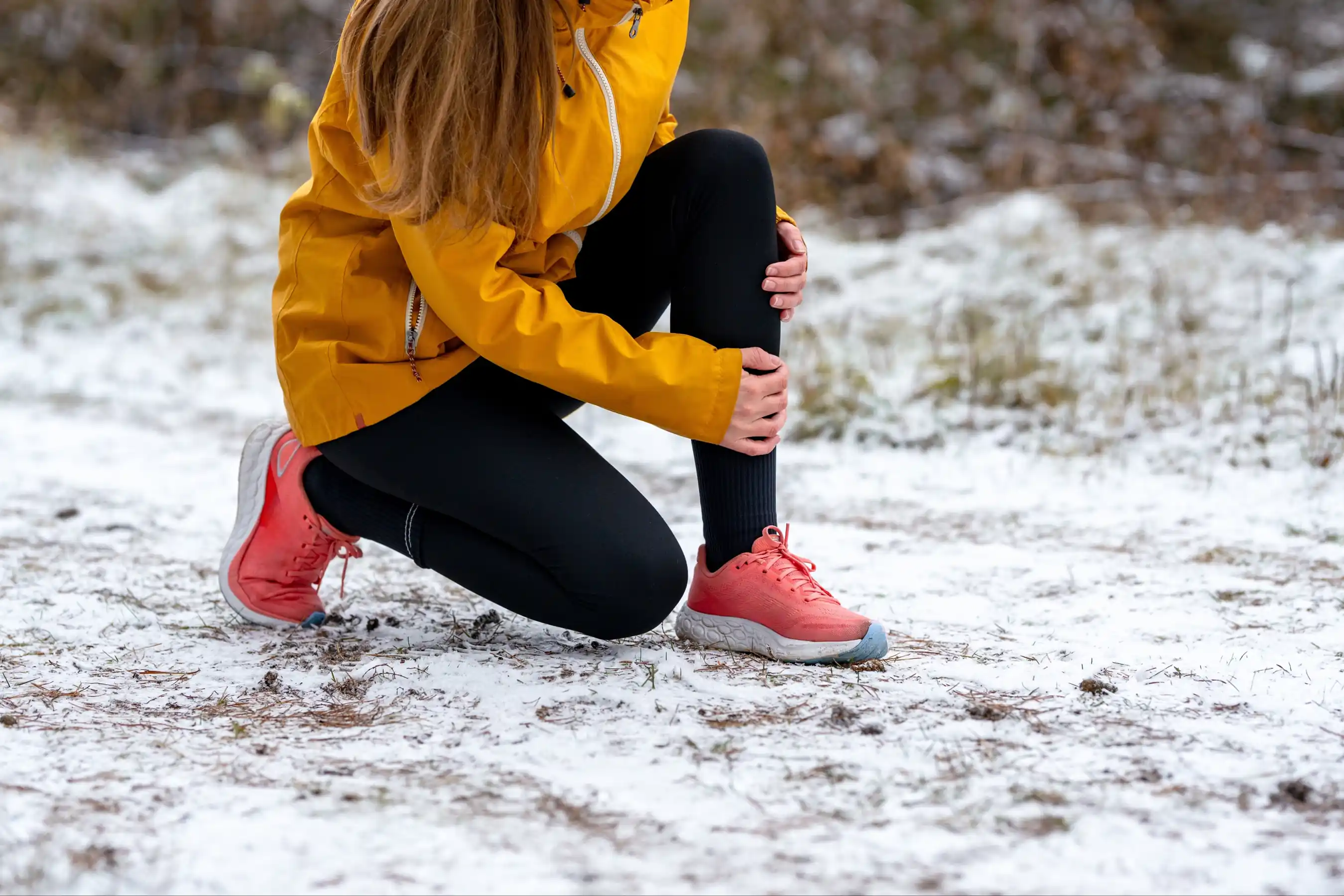
- As temperatures drop across the Austin area, more people head outdoors to run, and that seasonal jump in outdoor activity often brings a rise in shin splint cases.
- Sudden increases in running distance, frequency, or intensity put extra strain on the shins, especially for runners who scaled back their outdoor mileage over the summer heat.
- Common mistakes, like ramping up mileage too quickly, wearing worn-out shoes, or switching running surfaces all at once, can raise the risk of shin splints this time of year.
- Footwear and running surface both influence how much impact the shins absorb with every stride.
- Greater Austin Podiatry Associates helps runners throughout the Austin area ease back into their routines safely, so request an appointment if shin pain shows up this season.
Why Cooler Weather Drives More Outdoor Running in Austin
Once the Texas heat starts to ease in the fall, running outdoors in Austin becomes a lot more appealing. Many runners who cut back their mileage or moved workouts indoors during the hottest months come back outside all at once, often trying to make up for lost time. That sudden jump in outdoor activity, combined with the excitement of comfortable running weather, is a big reason podiatrists in Austin tend to see more shin splint cases once the seasons change.
How Sudden Increases in Activity Strain the Shins
Shin splints, also known as medial tibial stress syndrome, develop when the muscles and connective tissue along the shin bone are asked to absorb more repetitive stress than they're prepared for. Mayo Clinic's guide to shin splints points out that this injury often shows up in athletes when they start training harder, since the increased activity places new stress on muscles, tendons, and bone tissue before they've had time to adapt.
This is especially relevant heading into cooler months. A runner who was doing three easy miles a few times a week over the summer, and suddenly jumps to five or six miles outdoors in the cooler air, is asking their shins to handle a meaningful increase in load without much of a transition period.
Common Mistakes Runners Make When Returning to Mileage
A few patterns show up again and again in runners who develop shin splints this time of year. The table below breaks down some of the most common mistakes and better alternatives.
| Common Mistake | Why It Raises Risk | Better Approach |
|---|---|---|
| Jumping straight back to pre-summer mileage | Shins haven't adapted to the higher load | Increase weekly mileage gradually over several weeks |
| Running in worn-out shoes | Less cushioning means more impact reaches the shin | Replace running shoes regularly and choose ones suited to your gait |
| Switching from treadmill to outdoor pavement overnight | Harder surfaces increase repetitive stress | Mix surfaces and ease into outdoor routes over time |
| Skipping warm-ups and cross-training | Muscles fatigue faster and transfer more stress to bone | Warm up before runs and add low-impact cross-training |
How Footwear and Running Surface Changes Play a Role
The surfaces and shoes used during a run have a direct effect on how much force the shins absorb. OrthoInfo from the American Academy of Orthopaedic Surgeons recommends cross-training on lower-impact activities like swimming or cycling to reduce repetitive stress while still building fitness, and notes that any significant change in running style or surface should be introduced gradually to give the body time to adjust.
Runners moving from a treadmill to Austin's outdoor trails and sidewalks this fall should expect a bit of an adjustment period, since firmer surfaces place more repetitive load on the shins than a cushioned treadmill belt.
Tips for Easing Back Into Running Safely This Season
A few simple habits can go a long way toward preventing shin splints as outdoor running picks back up. Build mileage gradually rather than all at once, replace running shoes that have lost their cushioning, and mix in lower-impact cross-training a couple of times a week.
Pay attention to early warning signs, like a dull ache along the shin that shows up after a run, and scale back before it becomes a bigger problem. Greater Austin Podiatry Associates also offers custom orthotic inserts for runners whose gait or foot structure is putting extra strain on the shins.
Keep Shin Splints From Sidelining Your Fall Training
Cooler weather is a great reason to get back outside, but easing into it matters just as much as getting out the door. A gradual return to mileage, supportive shoes, and a mix of training surfaces can help keep shin splints from interrupting your season.
If shin pain has already started, Greater Austin Podiatry Associates offers sports medicine evaluations for runners and active patients throughout the Austin area. Request an appointment with Greater Austin Podiatry Associates today to keep your fall training on track.
Frequently Asked Questions
Why do shin splints become more common in the fall?
As temperatures cool down, more runners head outdoors and often increase their mileage quickly after a summer of reduced activity. That sudden jump in training load is a common trigger for shin splints.
How can I prevent shin splints from running outdoors?
Build up your mileage gradually, wear supportive shoes that are still in good condition, and mix in lower-impact cross-training. Paying attention to early shin discomfort and easing off before it worsens also helps prevent the problem from progressing.
Does switching from a treadmill to outdoor running increase shin splint risk?
It can. Outdoor surfaces are typically firmer than a treadmill belt, which means the shins absorb more impact with each step. Easing into outdoor routes over a few weeks helps the body adjust to the change.
When should I see a sports podiatrist near me for shin pain from running?
If shin pain doesn't improve with a few days of rest, keeps returning once you resume running, or becomes sharp and localized, it's a good time to see a podiatrist for an evaluation and a tailored treatment plan.
